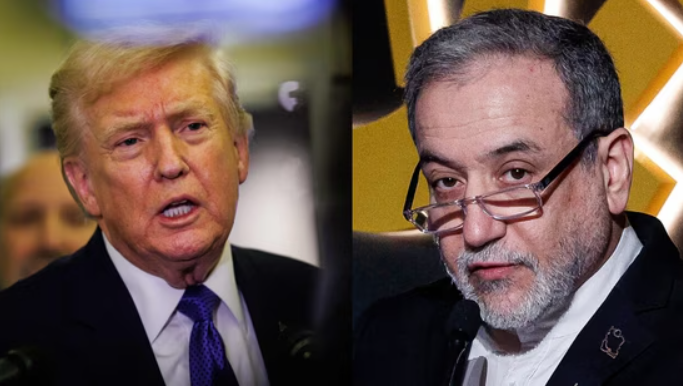
President Donald Trump announced on Sunday that the United States had reached a peace agreement with Iran, marking a major diplomatic breakthrough more than three months after the conflict involving the US, Israel and Iran began.
The deal represents the most significant diplomatic development since military operations against Iran commenced on 28 February. The conflict placed severe pressure on global energy supplies and contributed to heightened instability across international markets.
Despite coordinated American and Israeli strikes targeting senior Iranian figures, the Iranian government has remained in control. Reports indicated that intelligence suggested several of the country’s top leaders would be gathered in one location during the operation. However, the regime has maintained its authority following widespread protests earlier this year that were suppressed with force.
Trump Administration Focuses On Nuclear Threat And Strait Of Hormuz Reopening
Following the initial stages of the conflict, there was uncertainty among some members of Trump’s Republican Party regarding the long-term objectives of the military campaign.
Trump repeatedly stated that preventing Iran from obtaining nuclear weapons remained a central priority. He also emphasised the importance of reopening the Strait of Hormuz to commercial shipping, restoring access to one of the world’s most crucial energy transit routes.
The president further insisted that Iran’s nuclear “dust” — referring to the remnants of nuclear materials targeted during US airstrikes last summer — must be eliminated.
The future handling of Iran’s highly enriched uranium stockpile has continued to be a contentious issue throughout negotiations.
YOU MAY ALSO LIKE: Trump Says Iran Peace Deal Could Be Signed Today As Strait Of Hormuz Reopening Nears
Reopening the Strait of Hormuz is expected to ease pressure on international fuel markets, which have experienced sharp increases in oil and gas prices since the waterway’s closure.
Before the conflict, approximately 20% of the world’s oil and gas supply passed through the Strait of Hormuz.
Iran effectively halted traffic through the route by threatening attacks against vessels attempting to transit the area, leaving some crews stranded aboard ships awaiting a resolution to the crisis.
Casualty Figures And Political Reaction To The Iran Agreement
Estimates of casualties resulting from the conflict vary considerably. The Israel Defense Forces have estimated that around 6,000 Iranians have been killed, while official US figures report 13 American deaths.
Earlier reports suggesting a potential agreement between Washington and Tehran had already prompted criticism from some Republican senators in May, with several lawmakers advocating for a tougher stance against Iran.
Trump had previously indicated that he would not be pressured into reaching an agreement. He also dismissed suggestions that the approaching midterm elections had increased political pressure on his administration amid concerns over rising prices linked to the conflict.
“I don’t care about the midterms,” Trump said bluntly at one point.
SEE TODAY’S TOP HEADLINES ACROSS LEADING PUBLICATIONS
At another stage, when asked whether he shared Americans’ concerns over the rising cost of living, Trump responded: “The only thing that matters when I’m talking about Iran — they can’t have a nuclear weapon. I don’t think about Americans’ financial situation. I don’t think about anybody. I think about one thing — we cannot let Iran have a nuclear weapon. That’s all,” he said.
He reinforced that position last week, stating: “I love the inflation.”
The newly announced agreement is expected to draw close international attention as governments and global markets assess its implications for regional stability, energy security and future relations between Washington and Tehran.

Why you can trust SurgeZirc UK. Learn more about our editorial standards.