Four new government measures aimed at easing the cost of living will come into force on April 1, as households across Britain continue to grapple with mounting financial pressure.
The latest developments come against a backdrop of escalating global tensions, with Iranian forces continuing to block the Strait of Hormuz following US-Israeli strikes. The disruption to a route responsible for transporting around a fifth of the world’s oil has unsettled markets and driven fuel prices higher.
Even before the geopolitical crisis intensified at the end of February, many UK households were already struggling. Research from Which? found that, in the run-up to March 13, half of households had taken steps such as selling possessions or borrowing money just to cover everyday essentials.
YOU MAY ALSO LIKE: Starmer Slams Tories And Reform Over ‘Utterly Reckless’ Iran Stance As Local Election Campaign Begins
The same tracker revealed that 67% of UK adults expect the economy to deteriorate over the coming year, despite government reassurances that contingency plans are being developed.
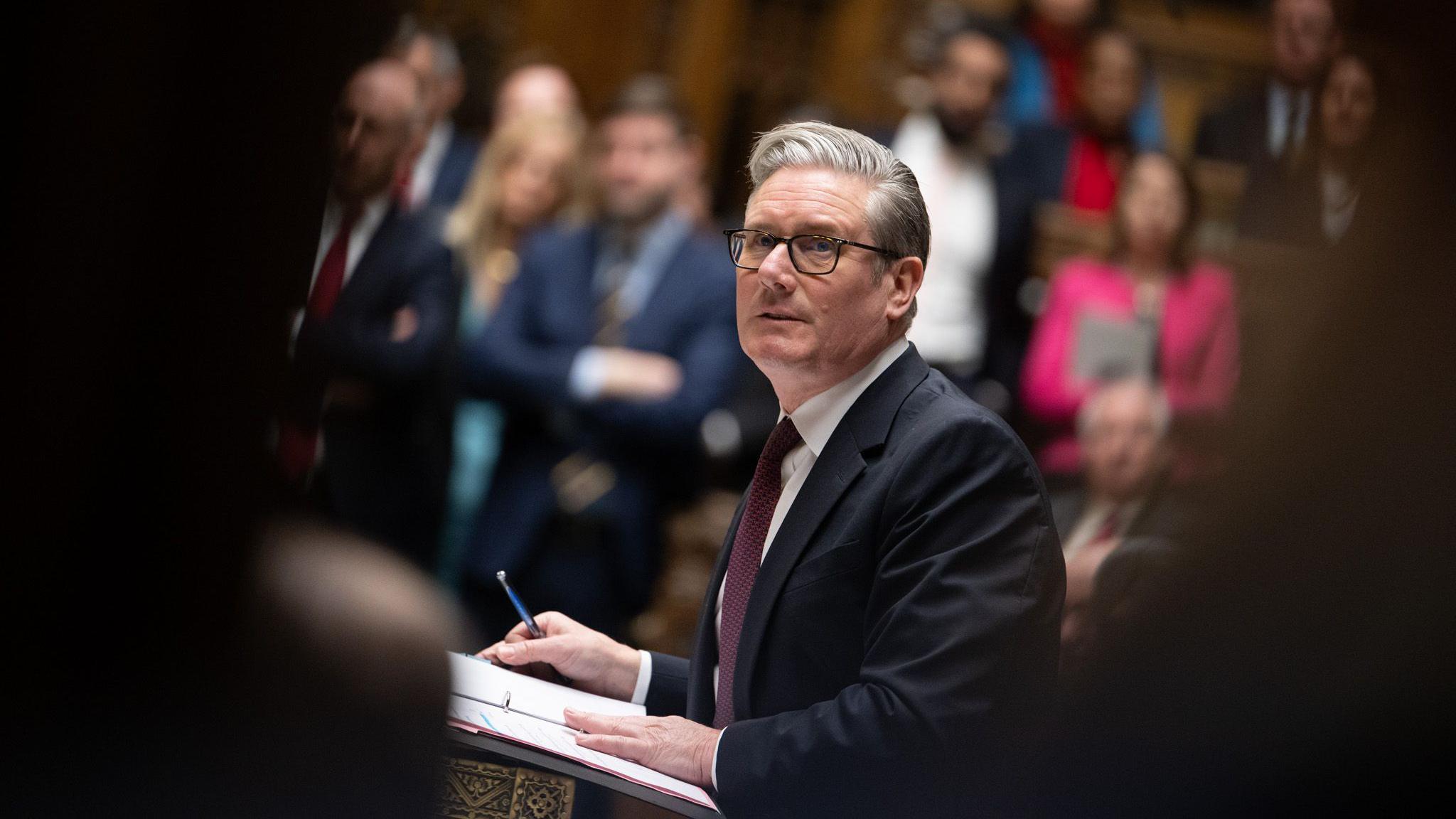
Prime minister Keir Starmer, launching Labour’s local election campaign earlier this week, said his party recognises that “most people are concerned most of all about the cost of living”.
In a separate statement, he added that the public “have a government on their side, working with allies on de-escalation and bearing down on the cost of living.” He also said: “We must go further to bear down on costs, and that means pushing for de-escalation in the Middle East and a re-opening of the Strait of Hormuz.
“That is the best way we can bring down the cost of living for families and that is my focus.”
National Living Wage Increase And Minimum Wage Boost Explained
From April, the National Living Wage will rise to £12.71, delivering an annual increase of roughly £900 for 2.4 million workers aged 21 and over.
Younger workers are also set to benefit, with more than 200,000 people aged between 18 and 20 expected to gain around £1,500 per year as the National Minimum Wage increases to £10.85.
Katherine Chapman, director of the Living Wage Foundation, previously described the move as “a really positive move”. However, she added: “It will still fall short of the voluntary real Living Wage which is the only wage rate based solely on the cost of living.
“The real Living Wage is currently £13.45 in the UK with a higher rate of £14.80 in London.”
Philippa Stroud, chair of the Low Pay Commission, also highlighted concerns raised during consultations. She said: “In our discussions this year with workers and employers alike, it has been clear that no one is having an easy time.”
Energy Price Cap Cut And Future Bill Increases Warning
Energy regulator Ofgem has set the price cap at £1,641 per year for the period between April 1 and June 30, marking a 6.6% drop from the previous cap of £1,758.
However, the reduction was determined before the escalation in the Middle East, meaning future prices could climb. Projections suggest the cap may rise again from July, potentially pushing annual bills closer to £2,000.
Chancellor Rachel Reeves is reportedly considering targeted support for households most in need, rather than a repeat of the universal measures introduced in 2022.
Jess Ralston, head of energy at the Energy and Climate Intelligence Unit, said: “Bills going up again because of war thousands of miles away will be a tough pill to swallow for households still saddled with debt from last time.”
NHS Prescription Charges Freeze In England Continues
Prescription charges in England will remain frozen at £9.90 per item for the 2026/27 financial year, while prescriptions continue to be free in Scotland, Wales and Northern Ireland.
Despite the freeze, campaigners argue that costs remain a burden for those with long-term conditions who do not qualify for exemptions.
Laura Cockram, from the Prescription Charges Coalition, said: “No one should have to worry about affording the medication they need to stay well, so although a freeze on prescription charges is more welcome than an increase it’s not enough.
“Unlike in Scotland, Wales, and Northern Ireland, people in England with Parkinson’s and other long-term conditions still have to pay for the prescriptions they need to manage their health. The UK government must rethink.
“At the least, the government should review the prescription charge exemption list so people with long-term conditions like Parkinson’s, MS, asthma, HIV don’t have to pay an ill health tax.”
£1 Billion Crisis And Resilience Fund To Support Vulnerable Households
A new £1 billion per year Crisis and Resilience Fund will be introduced in England from April 1 2026, running until March 2029.
Administered by local councils, the scheme is designed to support people facing sudden financial hardship, particularly those on low incomes, disabled individuals and older households.
The fund will replace the Household Support Fund and can be used to help cover essential costs such as energy bills, food, clothing and furniture. It is expected that additional funding could be made available if energy prices rise further.
The Trussell Trust welcomed the initiative, describing it as a “major milestone”.
“Effective crisis support is crucial to prevent people from falling into severe hardship, so they can still afford the essentials we all need,” the charity said. However, it added that further action is required and “is not a substitute for the deeper reforms needed to the inadequate rates of social security which fail to protect people from going without the essential day to day”.

Why you can trust SurgeZirc UK. Learn more about our editorial standards.