Iran has taken a commanding position in its ongoing conflict with the United States and Israel, according to a former head of Britain’s foreign intelligence service.
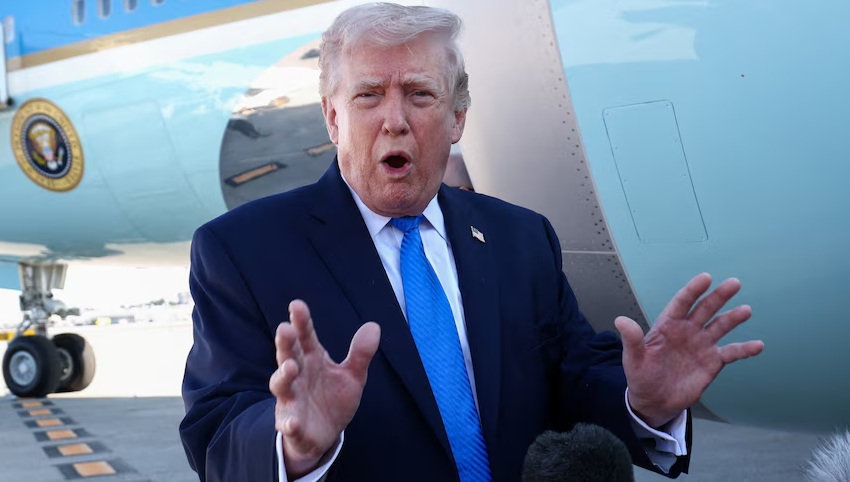
The remarks come as US president Donald Trump signalled Tehran is eager to strike a deal to end hostilities “so badly”, following his announcement of a five-day ceasefire. However, Iranian officials have dismissed the suggestion, accusing Washington of “negotiating with itself”.
Despite the ceasefire declaration, hostilities have continued, with Iran and Israel exchanging strikes. Reports indicate the Pentagon is weighing the possibility of deploying additional troops to the region, nearly a month after the US launched strikes on Iran without notifying its allies.
Iran’s Military Strategy And Resilience Strengthen Its Position
Speaking to The Economist, former MI6 chief Alex Younger said it had become evident that Iran has gained the advantage in the conflict.
“I regret having come to this conclusion because like many MI6 officers of my generation, we faced the violence and brutality of the IRGC [Islamic Revolutionary Guard Corps] for most of our careers,” Younger said.
“There is no love lost between us and I shed no tears for [Iranian supreme leader] Ali Khamenei, who was killed at the beginning of this war. But the reality is the US underestimated the task and I think as of about two weeks ago, lost the initiative to Iran.”
He added that Tehran has demonstrated unexpected resilience. “In practice, the Iranian regime has been more resilient than I think anyone would have expected.”
“They took some good decisions as early as last June about dispersing their military capability and delegating authority for the use of those weapons, which has given them significant extra resilience against this incredibly powerful air campaign.”
Escalation Tactics And Global Impact Of Strait Of Hormuz Disruption
Younger also pointed to Iran’s strategy of “horizontal escalation”, describing it as a tactic that involves launching rockets at multiple targets within reach.
“At the time I thought it was nuts but in fact it has been a very good way of putting a direct price on the US – it sort of worked,” he said.
“And then they sort of understood the significance of the energy war and held the Straits at threat, and globalised ’[the conflict].”
Iran has effectively obstructed the Strait of Hormuz — a critical passage for around a fifth of the world’s oil supply — by targeting vessels operating in the area. This has contributed to rising oil prices and wider economic disruption.
According to Younger, Tehran has managed its limitations effectively. He said the regime has “played a weak hand pretty well”.
‘War Of Existence’ Narrative Boosts Iran’s Staying Power
The former intelligence chief suggested that rhetoric from Washington, particularly references to “regime change”, may have reinforced Iran’s resolve.
He argued that such statements frame the conflict for Tehran as existential. “Whereas America has embarked on a war of choice,” Younger said.
YOU MAY ALSO LIKE: Trump Iran War Claims Scrutinised As LBC’s James O’Brien Sparks Fierce Debate Over Credibility
“In those terms I think that’s imbued them with more staying power than the US and certainly US counterparts. They know that now, and that really is giving them the whip-hand.”

Why you can trust SurgeZirc UK. Learn more about our editorial standards.