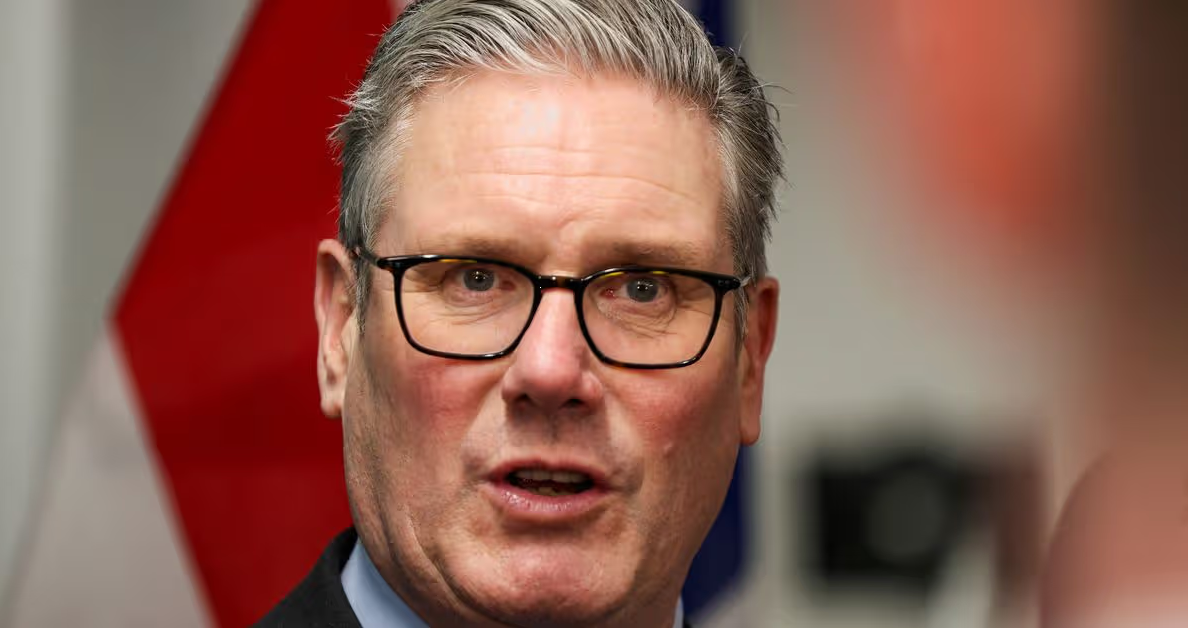
Prime Minister Keir Starmer has pushed back against calls from US President Donald Trump for Britain to deploy Royal Navy warships to the Middle East to secure the Strait of Hormuz.
Starmer made clear the UK would not be pulled into a broader regional conflict, declining to confirm whether naval forces would be sent to the strategically vital route, which carries roughly one-fifth of the world’s oil supply.
Trump had urged Britain and other global powers to take part in a coordinated effort to safeguard the waterway, warning of the economic risks posed by ongoing tensions in the region.
UK Government On Strait Of Hormuz Deployment And Allied Strategy
At a Downing Street press conference on Monday, Starmer signalled caution over committing military assets, emphasising ongoing discussions with international partners.
“We’re working with all of our allies, including our European partners, to bring together a viable collective plan that can restore freedom of navigation in the region as quickly as possible and ease the economic impacts,” he said.
The prime minister added: “It’ll have to be something which is agreed by as many partners as possible, is my strong view. We’re not at that stage yet, but we are working hard.”
Trump, meanwhile, called on multiple nations to act, saying: “Hopefully China, France, Japan, South Korea, the UK, and others, that are affected by this artificial constraint, will send ships to the area so that the Hormuz Strait will no longer be a threat by a nation that has been totally decapitated.”
Trump Nato Warning And UK Response To Military Pressure
The US president also suggested that Nato’s future could depend on allied support for Washington’s efforts in the region.
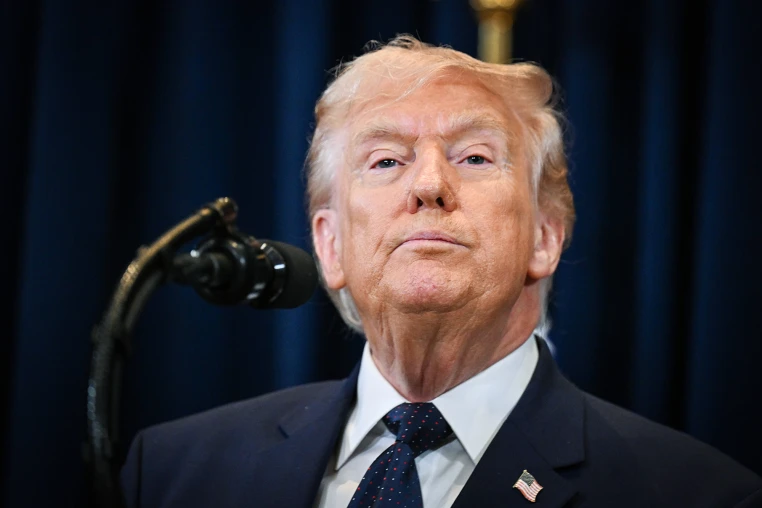
“We have a thing called Nato. We’ve been very sweet. We didn’t have to help them with Ukraine … but we helped them,” Trump told the Financial Times.
“Now we’ll see if they help us because I’ve long said that we’ll be there for them but they won’t be there for us. I’m not sure that they’d be there.
YOU MAY ALSO LIKE: UK Looking At All Options To Secure Strait Of Hormuz As Global Oil Route Crisis Deepens
“If there’s no response or if it’s a negative response, I think it will be very bad for the future of Nato.”
His remarks were dismissed by General Sir Nick Carter, the former head of the British Army, who said the president had misinterpreted the alliance’s purpose.
“It was not an alliance that was designed for one of the allies to go on a war of choice and then oblige everyone else to follow,” he said.
Strained UK US Relations As Military Decisions Loom
Starmer’s cautious stance risks adding strain to his relationship with Trump, particularly after earlier disagreements over the use of UK military infrastructure.
The prime minister had initially rejected a request to allow US forces to launch strikes on Iran from RAF bases at the outset of the conflict, though he later permitted their use for “defensive” missions.
Speaking aboard Air Force One on Sunday, Trump said: “I don’t want them after we win the war, I want them before we start the war. I can say this, and I said it to them: we will remember.”
Despite the tensions, Starmer insisted that his working relationship with the US president remains positive following a phone call between the two leaders over the weekend.

Why you can trust SurgeZirc UK. Learn more about our editorial standards.