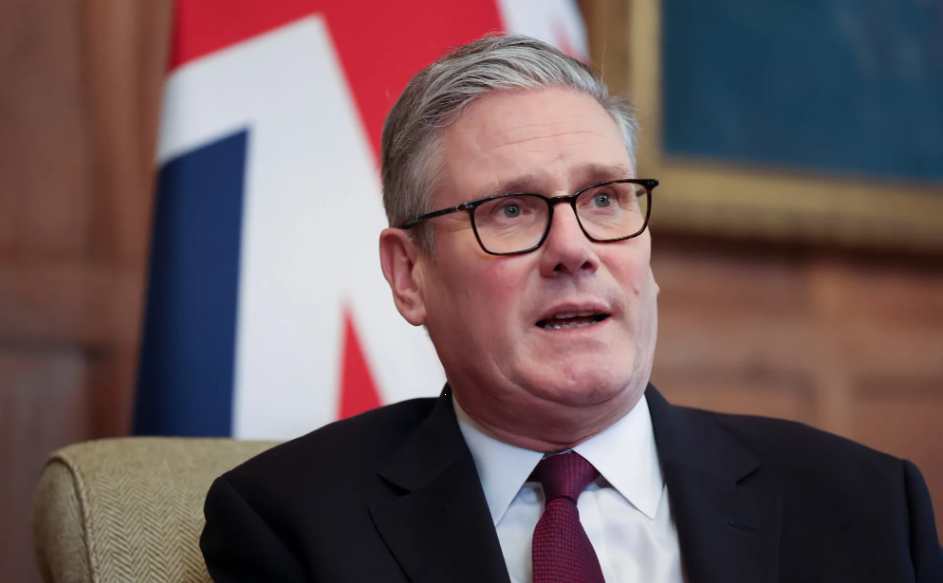
The UK government is considering a range of options to help secure shipping through the Strait of Hormuz as tensions in the Middle East continue to disrupt one of the world’s most important energy routes.
Energy Secretary Ed Miliband said Britain was exploring potential measures alongside allies after the channel became increasingly dangerous for vessels navigating the narrow passage.
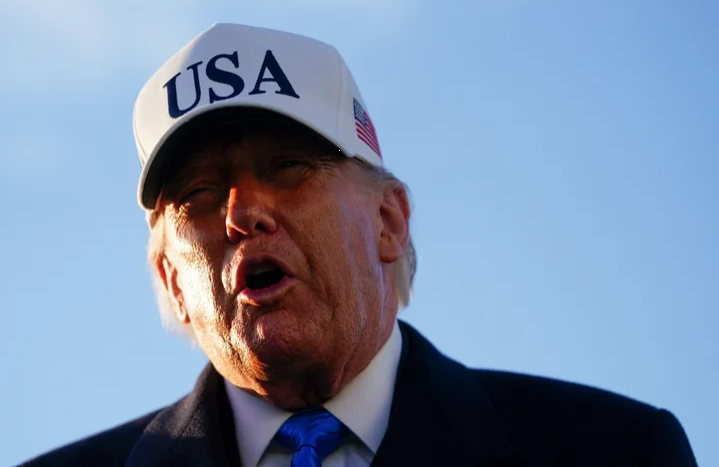
His comments follow remarks by Donald Trump, who warned on Saturday that the United States would reopen the strategic waterway “one way or another” and urged countries including the UK, China and France to deploy warships to the area.
Iran’s effective blockade of the strait has already caused major disruption to global supply chains and driven sharp increases in energy prices.
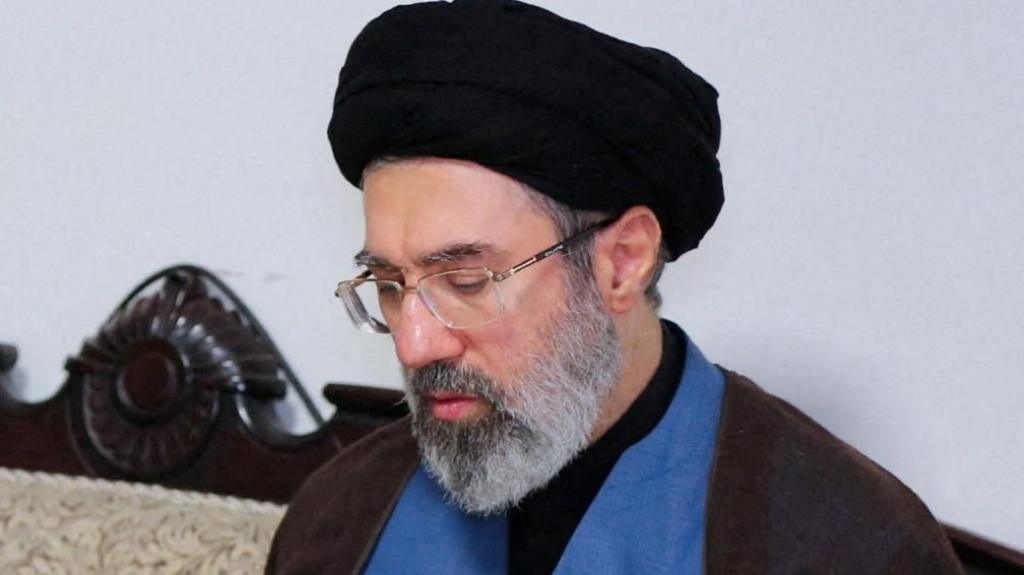
In a statement attributed to Iran’s new Supreme Leader Mojtaba Khamenei, Tehran signalled it would continue restricting access to the shipping route as a form of political and economic pressure against the United States.
Global Oil Trade At Risk As Strait Of Hormuz Tensions Escalate
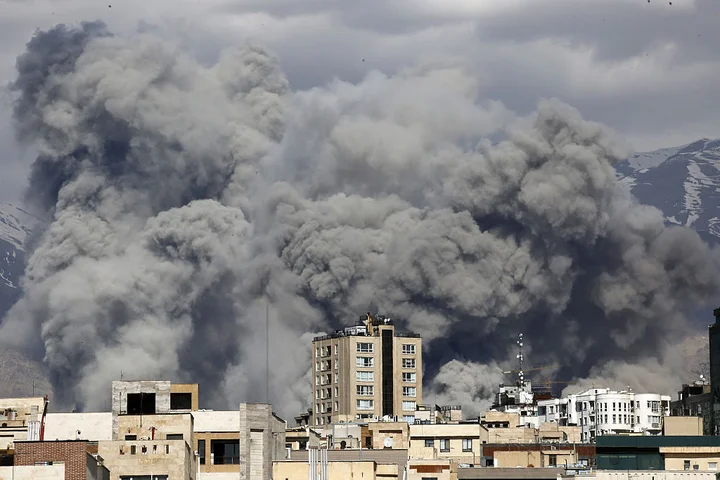
The crisis comes as the conflict involving the United States, Israel and Iran enters its third week, with several vessels reportedly attacked while attempting to pass through the narrow channel.
Roughly 20% of the world’s oil supply typically moves through the Strait of Hormuz, making it one of the most critical maritime chokepoints for global energy markets.
There are also fears that Iran may have laid mines in the passage to disrupt shipping traffic further.
Speaking on the BBC’s Sunday with Laura Kuenssberg programme, Miliband described reopening the strait as a priority and said there were “different ways we can contribute, including with mine-hunting drones”.
When asked whether Britain was considering sending drones or naval vessels to the region, he replied: “You can rest assured that any options that can help to get the strait reopened are being looked at in concert with our allies.”
Despite the speculation, Miliband declined to provide operational details, emphasising instead that “ending the conflict is the best and surest way to get the strait reopened”.
UK Political Leaders Clash Over Military Response In The Middle East
The debate over Britain’s role in securing the strait has also sparked political disagreement at home with shadow energy secretary Claire Coutinho saying the UK should examine the possibility of sending ships or drones to the Middle East if doing so served national interests.
She argued that reopening international shipping routes and protecting British military assets abroad were essential priorities. Coutinho also claimed the Conservative Party would have authorised US use of British military bases more quickly than the current Labour government.
Meanwhile, Ed Davey, leader of the Liberal Democrats, urged the government not to send ships to the region and instead focus on diplomatic efforts to reduce tensions.
Criticising Trump’s role in the conflict, Davey said Britain should not be at the “beck and call of an American president who does not seem to know what he is doing”.
Oil Prices Surge As Shipping Attacks Increase In Strategic Waterway
The strategic importance of the Strait of Hormuz has made the disruption particularly damaging to global markets.
According to estimates from the US Energy Information Administration, around 20 million barrels of oil passed through the channel each day in 2025, representing nearly $600bn (£447bn) in annual energy trade.
The route is also vital for transporting other commodities, including helium, sulphate chemicals and urea used in fertiliser production.
Iran’s Foreign Minister Abbas Araghchi said the strait remains open to ships that do not belong to the country’s “enemies” and that Tehran is “open to countries who want to talk” about safe passage.
He added that several nations had approached Iran regarding negotiations over shipping access but did not identify them.
Tehran has warned that any tanker bound for the United States, Israel or their partners could be treated as a legitimate target as the conflict intensifies.
The UK Maritime Trade Operations reported that at least 16 vessels, including multiple tankers, have been attacked near the shipping route since hostilities began.
Oil markets have reacted sharply. Prices surged from about $71 per barrel before the conflict erupted on 28 February to nearly $120 on Monday, although they have since eased slightly while remaining elevated.
US Bombers Deploy From RAF Fairford As Conflict Intensifies
The conflict has also drawn in British territory as the United States continues military operations.
After initially refusing to allow American forces to launch attacks from UK bases, Prime Minister Keir Starmer later authorised “defensive” US action targeting Iranian missile sites from RAF Fairford in Gloucestershire and Diego Garcia in the Indian Ocean.
Downing Street has stressed that Britain does not support “regime change from the skies”.
Trump has criticised Starmer’s approach, saying the US did not need Britain to deploy aircraft carriers to the region and accusing the prime minister of seeking to “join wars after we’ve already won”.
YOU MAY ALSO LIKE: US Names Six Crew Killed In Boeing KC-135 Refuelling Plane Crash Over Iraq
On Sunday, two B-1 Lancer bombers took off from RAF Fairford, likely carrying bunker-buster bombs and cruise missiles.
The aircraft are among the three major strategic bombers used by the US Air Force in the conflict, alongside the B-52 Stratofortress and the B-2 Spirit stealth bomber.
The mission to Iran was expected to take roughly seven to eight hours each way, with the full operation lasting about 15 hours.

Why you can trust SurgeZirc UK. Learn more about our editorial standards.