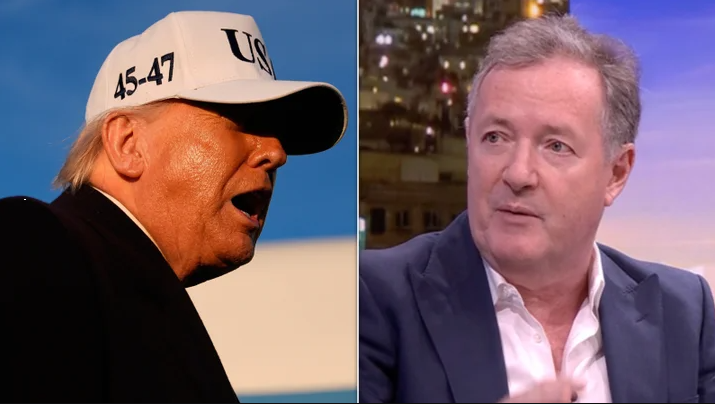
British broadcaster Piers Morgan has criticised Donald Trump’s approach to the escalating conflict with Iran, saying the US president appeared to believe the situation would unfold as swiftly as events in Venezuela.
Speaking on the BBC’s political programme Sunday with Laura Kuenssberg, Morgan suggested the White House had misjudged how quickly the situation in the Middle East could be resolved.
The former Celebrity Apprentice winner and long-time acquaintance of Trump said he does not believe the president fully understands the objectives behind the military campaign.
YOU MAY ALSO LIKE: UK Looking At All Options To Secure Strait Of Hormuz As Global Oil Route Crisis Deepens
“I think he thought he could pull a Venezuela here – decapitate the leadership of Iran and it would all get settled quite quickly,” Morgan said.
“I think two weeks in, what is very clear, is this is not going to get settled quickly.”
The remarks came amid continued tensions following US and Israeli strikes on Iran that reportedly killed Supreme Leader Ayatollah Ali Khamenei last month. Despite the attack on the country’s leadership, Iran’s governing structure remains intact and the conflict shows no sign of ending swiftly.
Piers Morgan Claims Trump’s Changing Mission Statements On Iran Conflict
Morgan also criticised what he described as shifting explanations from Trump about the purpose of the military action.
According to the broadcaster, the administration’s stated objectives have changed repeatedly since the campaign began.
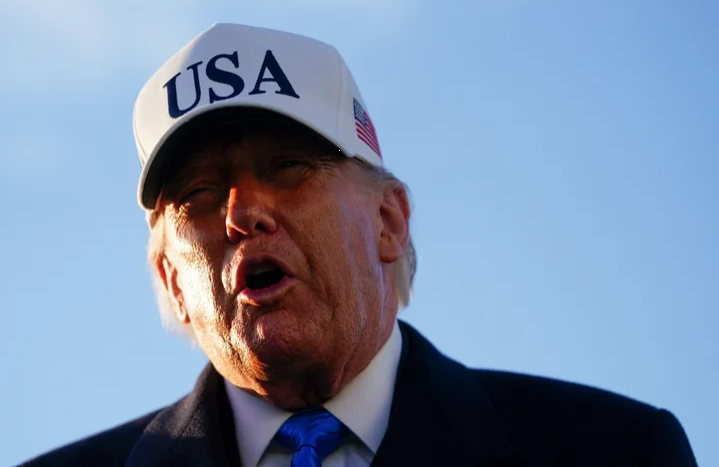
“All the mission statements he’s laid out change day by day, sometimes hour by hour,” Morgan said.
“It was going to be regime change, it was going after nuclear capability which we’d been assured only 10 months ago had been dismantled already.”
Economic Pressure Emerges As Iran’s Key Countermove
While Morgan acknowledged the overwhelming military strength of the United States and Israel, he argued that Tehran appears to be pursuing a different form of retaliation.
He pointed to Iran’s move to effectively close the Strait of Hormuz — a critical maritime route through which roughly one-fifth of the world’s oil supply passes.
The disruption has rattled global energy markets and driven oil prices sharply higher.
“They are sending a signal that we can’t beat you militarily, but economically we can paralyse you,” Morgan said.

Why you can trust SurgeZirc UK. Learn more about our editorial standards.