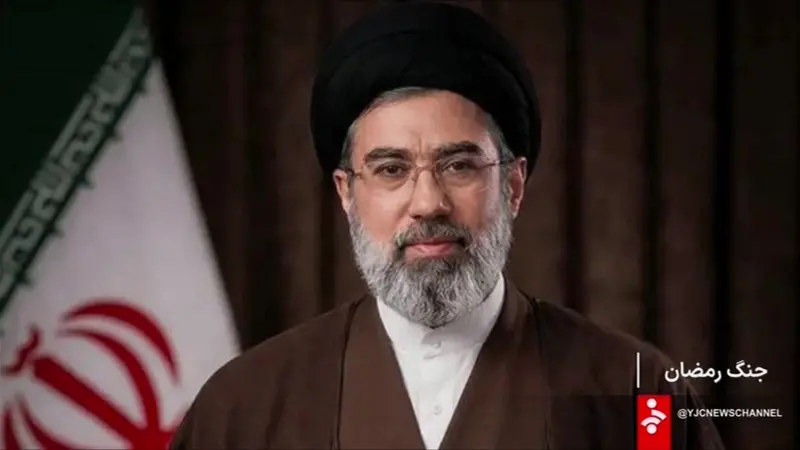
Iran’s Assembly of Experts has confirmed Mojtaba Khamenei as the country’s new supreme leader, succeeding his father, Ayatollah Ali Khamenei, according to Iranian state media.
The announcement was delivered on state television, where a presenter read a statement from the powerful clerical body responsible for appointing Iran’s top authority.
The statement said the assembly continued its work despite wartime pressures and attacks targeting its facilities.
“Despite the acute wartime conditions and the direct threats of the enemies against this popular institution, and despite the bombing of the offices of the Secretariat of the Assembly of Experts, which resulted in the martyrdom of several staff members and members of its security team, did not pause even for a moment in the process of selecting and introducing the leadership of the Islamic system.”
Following the announcement, the presenter on state TV proclaimed: “Allahu Akbar, Allahu Akbar, Khamenei is the leader.”
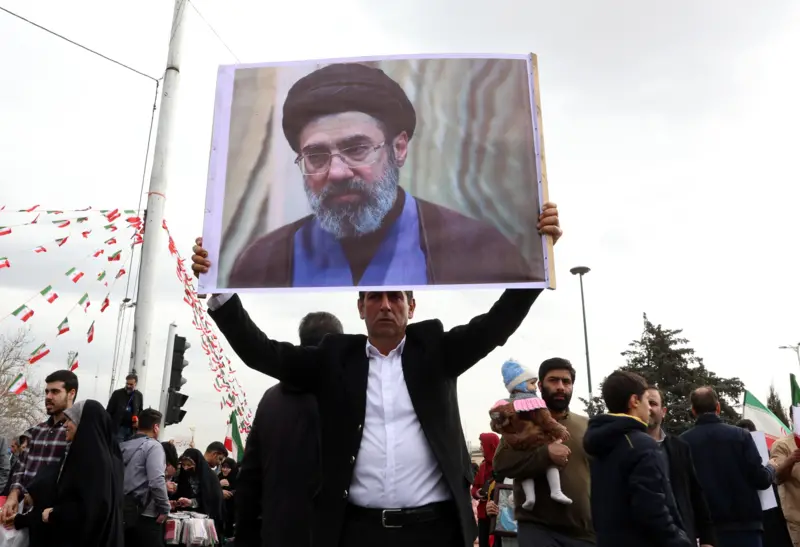
Background And Early Life Of Mojtaba Khamenei
Mojtaba Khamenei was born on 8 September 1969 in Mashhad, a city in north-eastern Iran. He is the second of six children of the late Ayatollah Ali Khamenei.
He attended the religious Alavi School in Tehran for his secondary education.
According to Iranian media, Mojtaba served in the military for several short periods during the Iran-Iraq War when he was 17. The eight-year conflict deepened tensions between Iran and Western nations, which had backed Iraq.
YOU MAY ALSO LIKE: Tony Blair Slams Keir Starmer For Not Backing Donald Trump’s Iran Strike
In 1999, he travelled to Qom, a major centre of Shia scholarship, to continue his religious studies. Reports note that he began wearing clerical clothing only after moving there.
Unlike his father, Mojtaba Khamenei has rarely appeared in public life. He has never held government office, delivered public speeches, or given interviews, and only a small number of photographs and videos of him have circulated publicly.
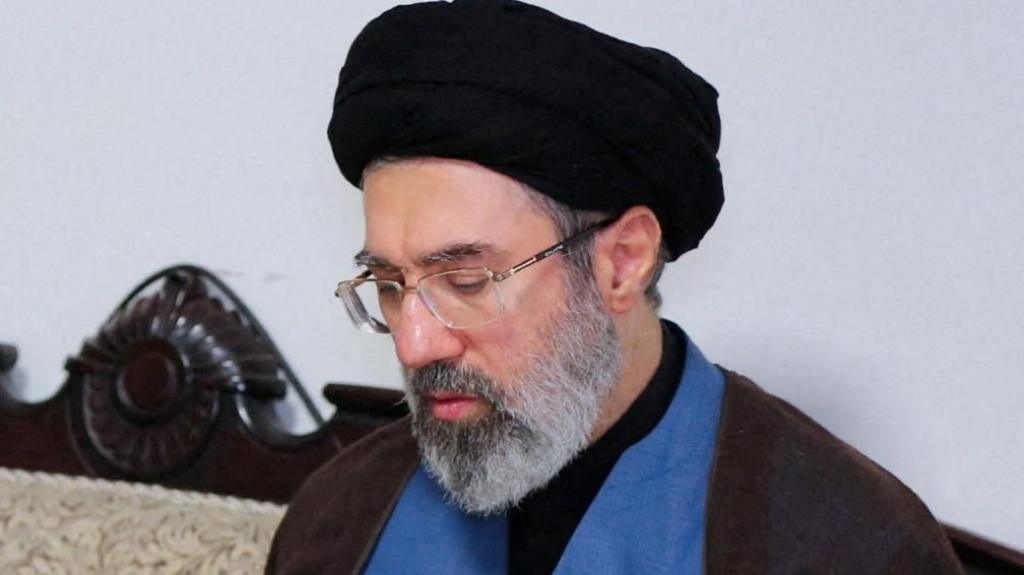
However, speculation about his influence has persisted for years. Diplomatic cables published by WikiLeaks in the late 2000s described him as “the power behind the robes” and said he was widely regarded as a “capable and forceful leader” within the regime, according to the Associated Press.
International Reaction And Political Tensions Surrounding The Appointment
The appointment is likely to draw international attention, particularly from the United States and Israel.
Over the past week, US President Donald Trump said he wanted to play a role in determining who would succeed Iran’s supreme leader.
Although he indicated he could accept a successor linked to the previous leadership, he said he opposed Mojtaba Khamenei taking the position.
“Khamenei’s son is unacceptable to me,” Trump said earlier this week.
Just hours before the official announcement, Trump also said that whoever assumed the role without his approval was “not going to last long”.
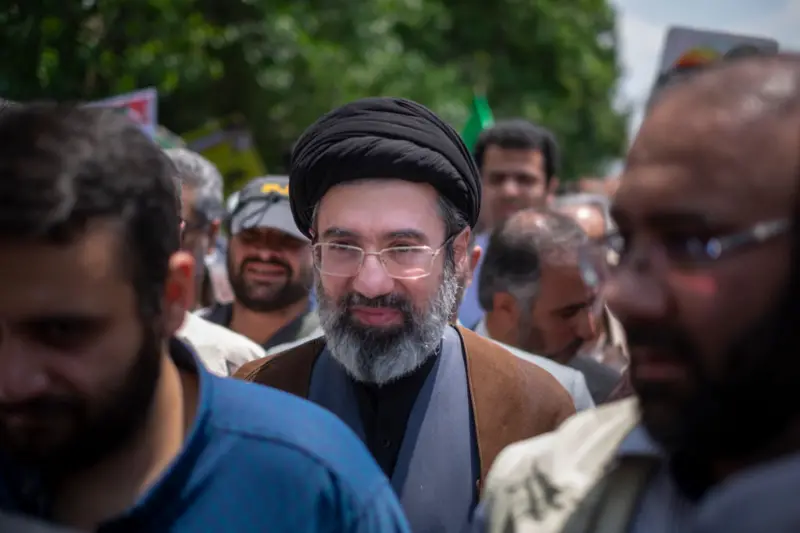
Israel also issued a warning prior to the confirmation, saying it would “continue to pursue every successor” to the late ayatollah.
Mojtaba Khamenei’s Influence And Role Inside Iran’s Political System
Before becoming supreme leader, Mojtaba Khamenei was widely believed to wield significant influence within Iran’s political establishment despite holding no official government position.
He has been accused of involvement in presidential elections, of commanding the Basij militia and maintaining close relations with the Islamic Revolutionary Guard Corps (IRGC).
Even so, his role has largely remained behind the scenes.
The issue of hereditary leadership has long been sensitive in Iran. Both Ali Khamenei and the Islamic Republic’s founder, Ayatollah Ruhollah Khomeini, criticised dynastic succession in reference to the Pahlavi monarchy, which was overthrown during the 1979 Islamic Revolution.
In 2019, the United States imposed sanctions on Mojtaba Khamenei as part of a group of individuals described as “who are appointees of or have acted for or on behalf of” Iran’s then Supreme Leader Ali Khamenei.
Iran Security Official Says Selection Proceeded Despite Threats
Iranian officials say the appointment process continued despite security threats.
Ali Larijani, secretary of Iran’s Supreme National Security Council, thanked the Assembly of Experts for selecting a successor despite what he described as threats from Washington.
According to multiple Iranian news agencies, Larijani said Tehran’s “enemies” believed the country would “reach a deadlock” after the death of Ali Khamenei, but the assembly ultimately completed the process and chose Mojtaba Khamenei.

Why you can trust SurgeZirc UK. Learn more about our editorial standards.