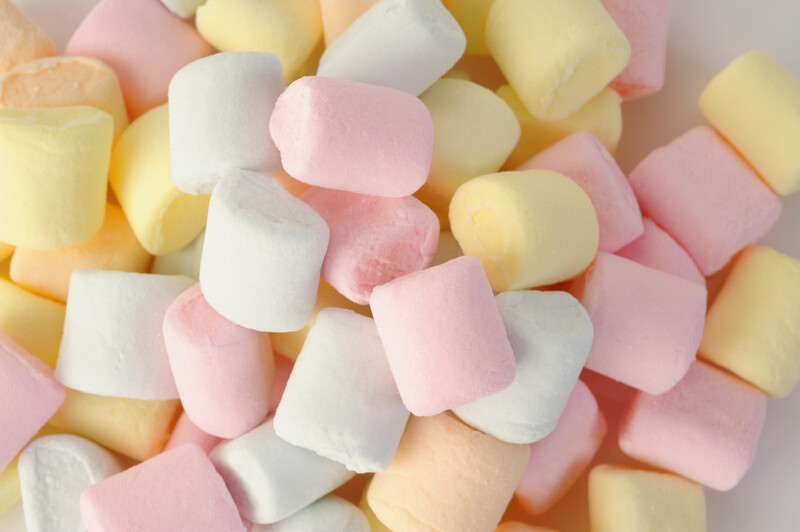
Marshmallows may now be synonymous with campfires, hot chocolate and sugary indulgence, but their story begins far from the sweet aisle. Long before they became fluffy confections, marshmallows had a surprising reputation as a medicinal remedy.
They are not alone in this transformation. Dr Pepper’s name, for example, has deeper roots than many realise. Originally launched as Brad’s Drink, the rebrand reportedly “derived from dyspepsia (ie. indigestion), which the beverage was supposed to assuage”.
A 1907 advertisement described the drink as “an absolutely pure combination of pepsin – for the ingestion – acid phosphate and the juices of fresh fruits”. Even digestive biscuits were once created with gut health in mind, proving that today’s wellness trends echo ideas from the past.
Ancient Origins of Marshmallows as Medicine
Marshmallows trace their origins back thousands of years. According to Britannica, they “originated as a versatile medicinal syrup and ointment”, with early versions believed to have been eaten by Ancient Egyptians.
While it is unclear whether Egyptians used them strictly for health purposes, they do appear to have been reserved for nobility. What is clearer is that by the 9th century BCE, Ancient Greeks were using marshmallow-based remedies for a wide range of ailments, from wound care to soothing sore throats.
Historical evidence suggests these early preparations may have helped ease coughs and skin irritation, giving marshmallows a role that was far more functional than fun.
The Marsh Mallow Plant Behind the Sweet
The original marshmallow owed its properties to the marsh mallow plant, a herbaceous species native to eastern Europe and northern Africa. Its root was the key ingredient in early medicinal recipes.
According to the National Confectioners’ Association (NCA), Ancient Egyptians “squeezed sap from the mallow plant and mixed it with nuts and honey”. While the flavour remains a mystery, the method laid the groundwork for what would later become a confectionery staple.
The plant reached France in the 19th century, where small candy shop owners experimented with it. As the NCA explained, “owners of small candy stores whipped sap from the mallow root into a fluffy candy mould”. The process was slow and labour-intensive, making it difficult to meet growing demand.
From Healing Remedy to Modern Sweet
Later in the 19th century, confectioners replaced marshmallow root with gelatin, a turning point that defined the texture and taste of modern marshmallows. Gelatin remains a standard ingredient today, marking the end of marshmallows’ medicinal era.
However, traces of the past still exist. Marsh mallow root tea is still available, offering a taste of the original ingredient. Its flavour has been described as “earthy”, though that is before sugar and other flavourings enter the mix.
YOU MAY ALSO LIKE: Is It Fair To Ask For Financial Protection As A Stay-at-Home Dad? A Lawyer Weighs In
Food creator Phoenix Ross, known for recreating unusual and overlooked foods by hand, recently tested an old-fashioned marshmallow recipe using marsh mallow root. He noted the “snotty” texture produced when the root was soaked, which once gave marshmallows their distinctive spring.
Ross was unimpressed by the taste, describing it as mostly “swamp”, before adding, “I think there’s a reason we’ve moved on from this”. Few modern sweet lovers would argue with that conclusion.
For More, Follow SurgeZirc UK On Facebook, X, Instagram, and Bluesky

Why you can trust SurgeZirc UK. Learn more about our editorial standards.